

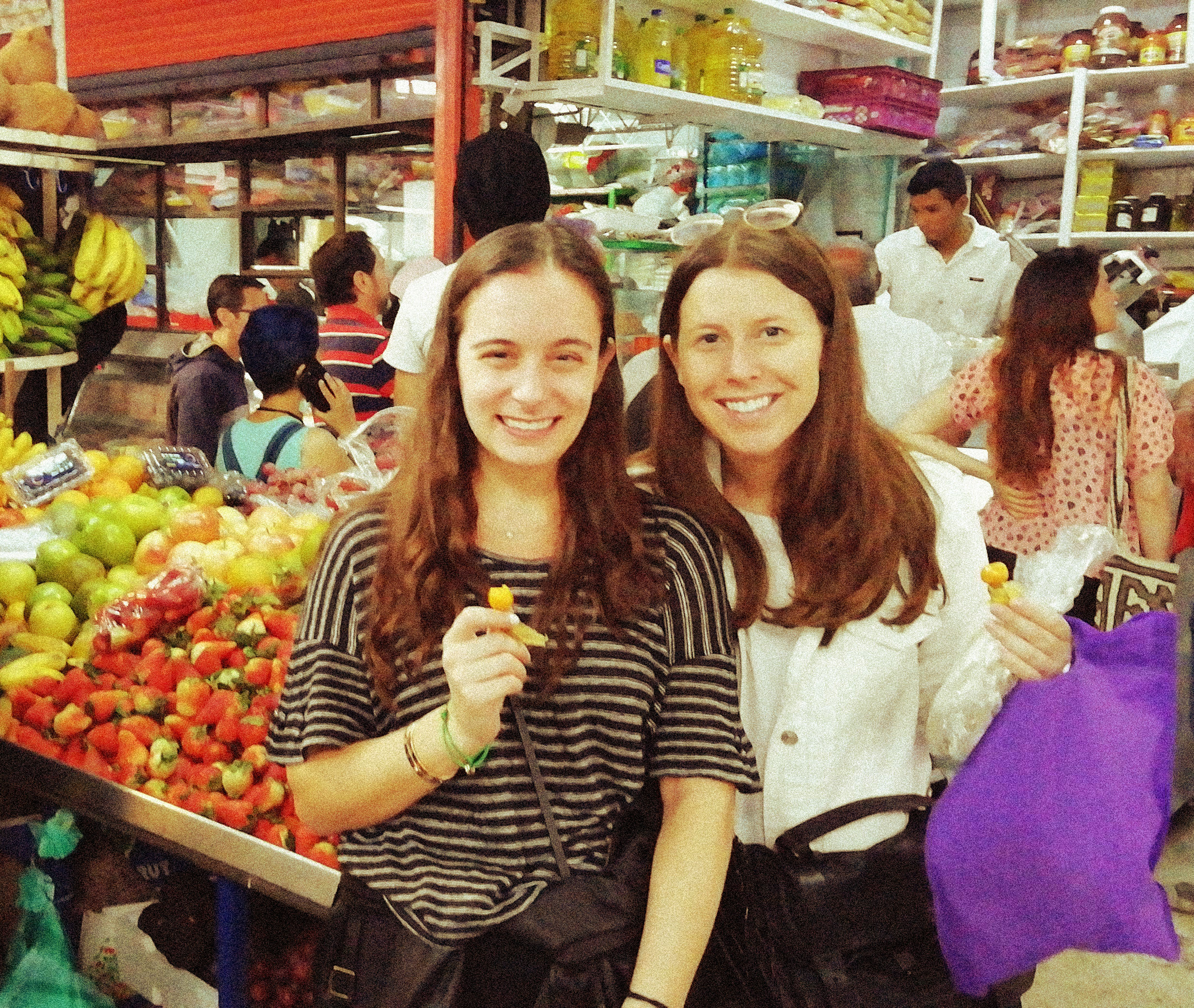
Bogotá’s Farmers Markets: Why Visiting One Is the Most Authentic Thing You Can Do as a Tourist in Colombia
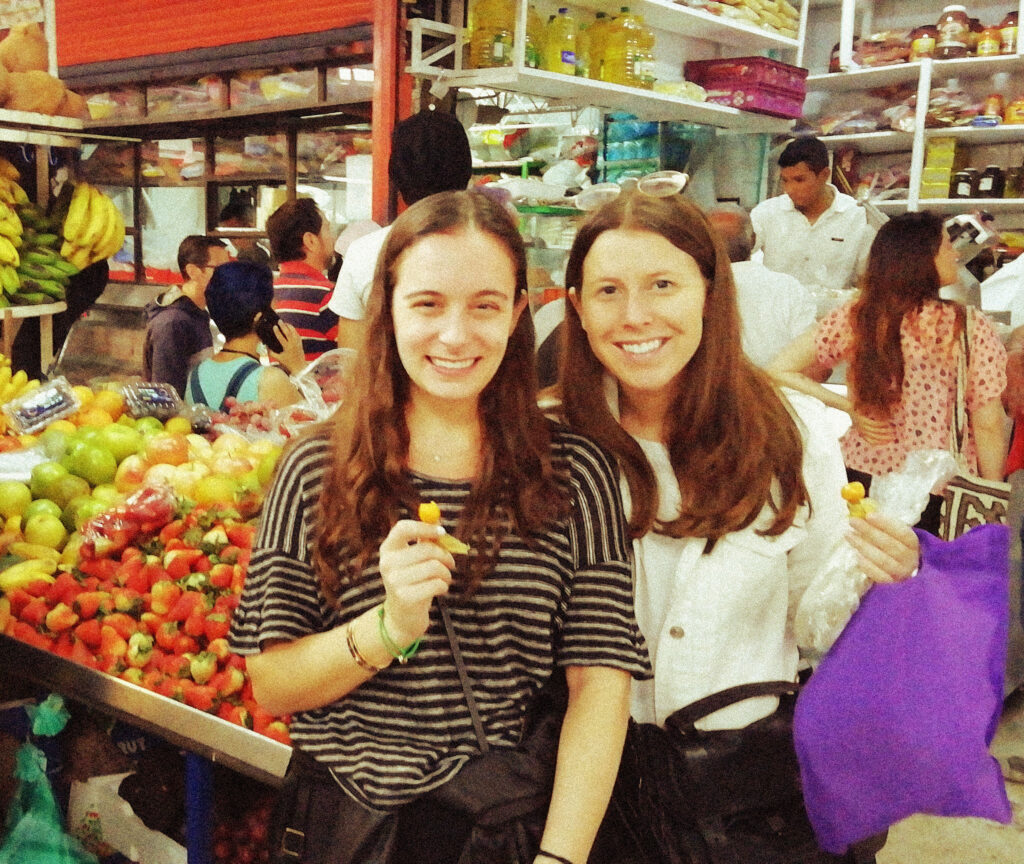
There’s a version of Bogotá that most tourists never see. Not because it’s hidden or far away, but because it doesn’t appear on the usual itineraries. It opens before dawn. It smells of fresh flowers and cut herbs. It’s louder, more colorful, and more alive than any museum or viewpoint in the city. It’s the plaza de mercado — the traditional farmers market — and it may be the single most authentic thing you can experience as a visitor to Colombia.
Bogotá’s traditional markets are not staged for tourists. They are where the city feeds itself: where farmers arrive from the Andean highlands, the Amazon basin, the Pacific jungle, and the Caribbean coast, bringing produce that represents Colombia’s extraordinary biodiversity. Going there — especially with a local guide who can translate the context, the stories, and the flavors — is an experience that outlasts everything else in your trip.
Colombia’s Plazas de Mercado: More Than a Place to Shop
The plaza de mercado is one of the most deeply rooted institutions in Colombian culture. These markets are not just commercial spaces: they are, as researchers at Colombia’s leading culinary institutions have documented, meeting places where culture is preserved, transmitted, and created. Farmers and vendors don’t just sell produce — they carry ancestral knowledge about which herbs treat which ailments, which fruits come from which region, and how each ingredient fits into the larger story of Colombian identity.
As Colombia’s official tourism site describes, touring the country’s marketplaces gives visitors a sweeping picture of Colombian life: farming, fishing, animal-raising, the colors of the fruits, the smells of an entire country gathered under one roof. This commercial and cultural dynamic changes from city to city, each market reflecting the personality of its region — but nowhere does it come together quite like Bogotá.
Paloquemao: “All of Colombia in One Place”
Among Bogotá’s markets, Paloquemao holds a legendary status. Established in 1946 and described by Culture Trip as “one of Bogotá’s most important markets, brimming with fresh fruit, vegetables, meat, fish, dairy and flowers,” Paloquemao is the kind of place that overwhelms your senses in the best possible way. The concept behind it, as locals will tell you, is simple: all of Colombia in one place.
The fruit section alone is staggering. According to Zebra Fisgona Tours, Paloquemao has counted over 60 different fruits in season at one time — which is why it’s been nicknamed the sweetest market in the world. On any given morning, you might encounter pitahaya, lulo, guanábana, feijoa, maracuyá, chontaduro, borojo, curuba, uchuva, and dozens of other varieties that don’t exist outside South America.
But fruit is only part of the story. Beyond the fruit aisles lie the herb corridors — an aromatic maze where vendors sell plants used not just in cooking but in traditional medicine, Afro-Colombian healing practices, and ancestral rituals. Then there are the flower stalls, the vegetable sections, the family-run food counters serving breakfasts of arepas de choclo, pandebono, and steaming ajiaco to market workers and neighbors. This is Bogotá at its most unfiltered and alive.
Why Colombia’s Biodiversity Makes Its Markets Extraordinary
The incredible variety you find at a Bogotá farmers market isn’t an accident — it’s a direct consequence of where Colombia sits in the world. As Kuoda Travel explains, Colombia is home to more than 400 edible fruit varieties, thanks to its unique range of ecosystems. From the Andean highlands to the Amazon, from the Caribbean coast to the Pacific jungle, every region contributes its own harvest and its own flavor profile. No other country in South America concentrates this kind of agricultural diversity in one place.
A visit to Paloquemao is, in a very literal sense, a tour through Colombia’s geography. The lulo you taste comes from the cool slopes of the Andes. The chontaduro was harvested in the Pacific lowlands. The maracuyá may have been grown on a farm in the coffee-growing region. The vendors know where everything comes from — and a good local guide can connect you to that knowledge in a way that turns a market stroll into something much richer.
Why Going with a Local Guide Changes Everything
You can walk through Paloquemao on your own. Plenty of visitors do. But the experience of going with a knowledgeable local guide is fundamentally different, for several reasons.
You taste more, and understand what you’re tasting. A guided fruit tasting at Paloquemao typically introduces you to between 15 and 25 exotic fruits, each explained in context: its name, its region of origin, how locals eat it, what it’s used for medicinally or culinarily. Without a guide, most visitors walk past the majority of these fruits without recognizing them.
You meet the people behind the stalls. Paloquemao’s vendors are often families who have occupied the same stall for generations. As 321colombia notes, a local guide gives you insider access — helping you navigate the busy aisles and try the best flavors, and introducing you to the vendors who will actually talk to you, share their stories, and invite you into their world.
You understand what you’re witnessing. Colombia’s markets are dense with cultural meaning that isn’t visible to the untrained eye. The herbs on that table aren’t just cooking ingredients — some have been used in healing traditions for centuries. The fruit on that display isn’t just produce — it’s a snapshot of a specific ecosystem. A local guide makes the invisible visible, turning a sensory experience into a genuinely educational one.
You avoid the overwhelm. As one experienced traveler notes, Paloquemao can feel like a labyrinth — a dense maze with thousands of stalls, all competing loudly for attention. Knowing which corridors to visit, which vendors to trust, and what to prioritize makes the difference between a confusing rush and a memorable morning.
What Bogotá’s Gastronomic Tourism Strategy Says About Markets
The city of Bogotá has officially recognized its traditional markets as a strategic pillar of its tourism identity. Turismo Bogotá’s 2025 Gastronomic Tourism Strategy includes the traditional market experience as one of its core offerings, part of a broader effort to position Bogotá as a world-class culinary destination. The strategy reflects what the numbers already show: in 2024, more than 14 million people visited Bogotá, and six out of ten reported that local gastronomy was one of the most memorable parts of their trip, according to the Viajeros 2024 report by Bogotá’s Tourism Observatory.
Markets feature prominently in this vision. As the Instituto Distrital de Turismo describes, the goal is to help travelers experience Bogotá not as a backdrop but as a living place — and the plaza de mercado is one of the most direct windows into that everyday reality.
The 5Bogotá Farmers Market Tour: Experiencing the Market with Locals
The Bogotá Farmers Market Tour by 5Bogotá is designed exactly around this philosophy. Rather than a surface-level visit, this is a guided immersion into one of Bogotá’s most traditional markets — led by a local who knows the vendors, the stories, and the flavors.
During the tour you’ll walk through vibrant aisles filled with tropical fruits, fresh vegetables, and handmade goods. Your guide will introduce you to rare fruits that are hard to find outside Colombia, explain the cultural meaning of different ingredients, and connect you with the vendors who bring the market to life every day. You’ll also learn how herbs are used not only in cooking but in traditional medicine — one of the most fascinating and underappreciated aspects of Colombian market culture.
What’s included in every tour:
- Guided visit to a traditional Bogotá farmers market
- Fruit tasting — sample exotic Colombian fruits you won’t find anywhere else
- Colombian coffee
- A traditional bite to eat
- Stories, context, and cultural insight from a local guide
Details at a glance:
- Duration: 1 hour
- Price: USD $59 per person
- Available: Almost every day (check availability when booking)
- Meeting point: Shared upon reservation
- Hotel pickup available for an additional fee
What You’ll Taste: A Preview of Colombia’s Exotic Fruits
Part of what makes a Bogotá market tour so memorable is the sheer novelty of the flavors on offer. Here’s a taste of what you might encounter:
- Lulo — tangy, citrusy, and wildly refreshing; the base of one of Colombia’s most beloved drinks
- Guanábana (soursop) — creamy interior with notes of pineapple and banana
- Pitahaya — sweet and mildly floral, in yellow and red varieties
- Feijoa — fragrant and sweet, with a flavor unlike anything grown in temperate climates
- Chontaduro — a starchy, nutty palm fruit from the Pacific coast, eaten with salt or honey
- Uchuva (cape gooseberry) — tart and bright, often used in sauces and desserts
- Borojo — a dense, energizing fruit from the Pacific jungle, famously attributed with medicinal properties
- Curuba — a long, green passion fruit variety with an intensely floral juice
Many of these have no English names. Several have no reliable equivalent outside South America. Tasting them, one by one, in the market where they arrive fresh every morning, is an experience that simply cannot be replicated elsewhere.
Who Is This Tour For?
For food lovers who want to go deeper than restaurants. For curious travelers who want to understand where Colombian cuisine actually comes from. For anyone who finds more meaning in a conversation with a market vendor than in a museum audio guide. For families, solo travelers, and couples who want a morning that feels genuinely different from anything else they’ve done on their trip.
It’s also, notably, one of the best things to do in Bogotá in the morning — when the market is at peak energy, the flowers are freshest, and the city is just waking up around you.
Frequently Asked Questions
Is the Bogotá Farmers Market Tour suitable for non-Spanish speakers? Yes. The tour is guided in English (or Spanish, upon request), and your guide handles all communication with vendors.
Do I need any prior knowledge of Colombian food to enjoy the tour? Not at all — in fact, the less you know going in, the more you’ll discover. The tour is designed to be educational as well as delicious.
Is this tour suitable for children? Yes. The format is relaxed, interactive, and well-suited for families.
What should I wear or bring? Comfortable shoes for walking, and an empty stomach — you’ll be tasting throughout. Bring a camera; the market is extraordinarily photogenic.
How do I book? Reserve your spot directly through 5Bogotá’s website or by calling +57 313 278 5898 / +57 314 359 1343.
The Market Is Where Colombia Comes to Life
No restaurant, however excellent, can give you what a traditional farmers market gives you. The market is unscripted. It’s real. It operates entirely for and by the people who live there — and when you walk through it with someone who knows it well, you’re not observing Colombian life from the outside anymore. You’re inside it, if only for an hour.
Book your spot on the 5Bogotá Farmers Market Tour and start your morning in Bogotá the way locals do — surrounded by color, flavor, and the most extraordinary produce on the planet.
Sources: Colombia Travel – Farmers Markets · Instituto Distrital de Turismo de Bogotá (IDT) · Observatorio de Turismo – Informe Viajeros 2024 · Kuoda Travel – Fruit Markets in Colombia · Culture Trip – Best Markets in Bogotá · 321colombia – Paloquemao Market · Zebra Fisgona Tours – Paloquemao · Tom Plan My Trip – Paloquemao · Beyond Colombia – Exotic Fruit Tour
No Comments
Sorry, the comment form is closed at this time.